What I Learned Combining Acupuncture, Massage, and Daily Movement
Have you ever felt stuck in recovery, doing exercises but not really improving? I did—until I combined acupuncture, massage, and a simple daily movement routine. It wasn’t magic, just science-backed synergy. This isn’t medical advice, but my real experience with how these therapies helped me move better, feel stronger, and stay consistent. If you're in rehab or managing chronic discomfort, this guide shares practical steps that made a real difference for me. While every body responds differently, the integration of these three elements brought noticeable changes over time—not overnight, but steadily, with patience and attention. This is a story of persistence, not perfection, and one that many women in their 30s to 50s navigating physical strain, post-injury recovery, or age-related stiffness may find relatable.
The Frustration of Slow Recovery
For years, I followed what I thought was the right path: daily stretching, walking, and occasional strength training. I wanted to stay active, especially as I entered my 40s and noticed subtle shifts in how my body moved. But after a minor fall that led to lower back discomfort, my efforts seemed to stall. I did the recommended rehab exercises, attended physical therapy sessions, and avoided heavy lifting, yet progress was painfully slow. Some days, I even felt worse—tightness in my hips, stiffness in my shoulders, and a persistent dull ache in my lower back that flared up after prolonged sitting. The frustration wasn’t just physical; it was emotional. I began to question whether I’d ever regain the ease of movement I once took for granted.
This experience isn’t uncommon. Many people, especially women balancing family, work, and self-care, find themselves in a cycle of effort without visible improvement. Traditional rehabilitation often emphasizes isolated exercises—lifting a leg, rotating a joint, holding a stretch—but these movements don’t always address the deeper tension patterns or nervous system responses that can limit recovery. The body isn’t a machine with disconnected parts; it’s an integrated system where stiffness in one area can affect posture, gait, and even breathing. When progress stalls, it’s not always due to lack of effort, but rather a lack of holistic support.
What I realized was that movement alone wasn’t enough. My muscles were tight not just from injury, but from years of compensating for imbalances, stress, and sedentary habits. Exercise was necessary, but without releasing underlying tension or improving circulation, it sometimes added strain instead of relief. That’s when I began to explore complementary therapies—not as replacements, but as partners to my movement practice. I wasn’t looking for a miracle, just a way to break through the plateau and feel more like myself again.
Discovering the Power of Integrated Therapy
My first step outside conventional rehab was acupuncture. I’ll admit, I was skeptical. The idea of thin needles being placed in specific points on the body seemed more ritual than science. But a close friend who’d found relief from chronic shoulder tension encouraged me to try it. I located a licensed practitioner with training in pain management and made an appointment. The session was calm and professional. The needles were so fine I barely felt them, and after about 20 minutes, a deep sense of relaxation washed over me. It wasn’t sleepiness—it was more like a release of tension I hadn’t even realized I was holding.
Over the next few weeks, I noticed subtle shifts. My lower back didn’t flare up as easily after sitting. My sleep improved. Most surprisingly, I began to feel more aware of my body—where I was holding tension, how I was standing, even how I was breathing. This wasn’t dramatic change, but a gradual unwinding. Encouraged, I added therapeutic massage to my routine. Unlike spa-style massages focused on relaxation, these sessions targeted specific muscle groups—my glutes, hip flexors, and upper trapezius—that were chronically tight. The therapist used techniques like myofascial release and trigger point therapy, which, while sometimes uncomfortable, led to measurable improvements in flexibility and reduced muscle guarding.
The turning point came when I began combining these therapies with my daily movement. Instead of pushing through stiffness, I started moving after acupuncture or massage when my body felt more open and responsive. The exercises I’d struggled with before—like controlled squats or gentle spinal twists—felt easier, more fluid. It was as if the therapies had “primed” my body for movement. I wasn’t just going through the motions; I was moving with greater awareness and less resistance. This synergy—acupuncture calming the nervous system, massage releasing physical tension, and movement reinforcing healthy patterns—became the foundation of my recovery.
How Acupuncture Supports Physical Recovery
Acupuncture is an ancient practice rooted in traditional Chinese medicine, but its modern applications in physical recovery are increasingly supported by research. While I can’t claim it “cured” anything, I can say it played a meaningful role in my rehabilitation. From a physiological standpoint, acupuncture may help regulate the nervous system, particularly the autonomic branch that controls involuntary functions like heart rate, digestion, and muscle tension. When the body is in a state of chronic stress or pain, the sympathetic nervous system can become overactive, leading to increased muscle tightness, reduced blood flow, and heightened pain sensitivity. Acupuncture appears to stimulate the parasympathetic response—the “rest and digest” state—which can help the body shift out of constant alert mode.
Another way acupuncture may support recovery is by promoting localized circulation. Improved blood flow brings oxygen and nutrients to tissues while helping remove metabolic waste, which can aid in reducing inflammation and supporting tissue repair. I noticed this most after sessions focused on my lower back and hips—areas that often felt “cold” or “stagnant.” Following treatment, there was a subtle warmth and increased sensation in those regions, as if circulation had been gently reawakened. This didn’t eliminate discomfort overnight, but over time, it contributed to a greater sense of physical ease.
Expectations matter. Acupuncture isn’t a one-time fix. My practitioner recommended a series of weekly sessions initially, then spaced them out as improvements stabilized. Sensations vary—some points produce a mild ache or tingling, others nothing at all. The key is consistency and patience. I also learned to pay attention to non-physical changes: better sleep, reduced anxiety, and even improved digestion. These may seem unrelated, but they’re all signs of a more balanced nervous system, which indirectly supports physical healing. It’s not about dramatic breakthroughs, but about creating the internal conditions where recovery can happen more naturally.
Massage as a Movement Enhancer
Massage is often associated with relaxation, but therapeutic massage serves a different purpose: it’s a tool for improving musculoskeletal function. While spa treatments focus on general well-being, therapeutic massage targets specific issues like muscle adhesions, fascial restrictions, and chronic tension patterns. In my case, years of sitting at a desk and carrying children had created deep imbalances—tight hip flexors, weak glutes, and overactive upper traps. Stretching alone wasn’t enough to release these patterns; I needed hands-on work to break up the “knots” and restore normal tissue glide.
Regular massage sessions helped in several measurable ways. First, they reduced muscle tightness, which in turn improved my range of motion. Simple movements like bending forward to tie my shoes or reaching overhead became less restricted. Second, massage helped decrease muscle guarding—the body’s protective response to pain or instability. When muscles are constantly “on”, they resist movement and fatigue quickly. By releasing this chronic tension, massage allowed my muscles to function more efficiently. Third, it enhanced body awareness. As the therapist worked on specific areas, I became more attuned to where I held tension and how it affected my posture and movement.
Timing matters. I found the greatest benefit when I scheduled massage sessions either the day before or the day of more challenging movement sessions. This “pre-conditioning” allowed me to move with greater ease and reduced risk of strain. Getting a massage immediately after intense exercise wasn’t always ideal—my muscles were already inflamed, and deep work could sometimes increase soreness. But when timed well, massage acted as a reset, clearing out tension and preparing the body for more effective movement. I also learned to communicate with my therapist about pressure, areas of sensitivity, and goals, which made each session more personalized and effective.
Designing a Rehab-Friendly Exercise Program
Once I had the support of acupuncture and massage, I revisited my exercise routine with a new perspective. Instead of focusing solely on strength or endurance, I prioritized sustainability, joint protection, and nervous system regulation. The goal wasn’t to push harder, but to move smarter. I worked with a physical therapist to design a low-impact program that included four key components: mobility, strength, balance, and breathwork. Each played a distinct role in supporting long-term recovery.
Mobility drills helped maintain and improve joint range of motion. These included gentle cat-cow stretches, seated spinal twists, and ankle circles—simple movements done slowly and with attention to alignment. Strength training focused on functional movements: bodyweight squats, modified push-ups, and resistance band rows. The emphasis was on control, not load. I started with two sets of 10 repetitions and gradually increased as my form improved. Balance exercises, like standing on one leg or heel-to-toe walking, helped improve proprioception—the body’s sense of where it is in space—which is crucial for preventing falls and improving coordination.
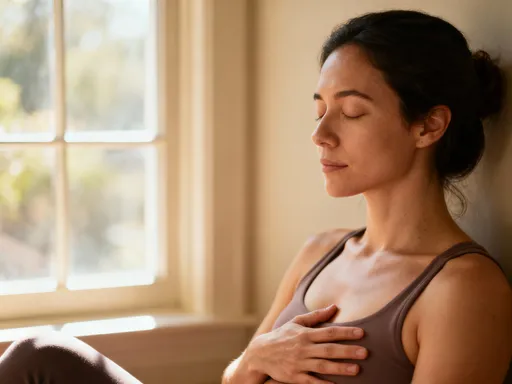
Breathwork was the most unexpected but powerful addition. I began incorporating diaphragmatic breathing into my routine—inhaling deeply through the nose, expanding the belly, and exhaling slowly. This not only calmed my nervous system but also engaged my core muscles in a gentle, supportive way. I noticed that when I breathed well, my movements were smoother and less tense. My daily routine took about 25 to 30 minutes and was designed to be repeatable, not exhausting. I allowed for modifications: if my back felt stiff, I reduced the range of motion; if I was tired, I focused on breathing and gentle mobility. Consistency, not intensity, was the priority.
Putting It All Together: My Weekly Routine
Integrating acupuncture, massage, and daily movement required planning, but it soon became a natural part of my week. I scheduled acupuncture on Mondays, which helped me start the week with a calm nervous system and reduced baseline tension. Massage followed on Wednesdays, focusing on areas that had tightened during the week. These midweek sessions acted as a reset, especially helpful if I’d spent long hours at the computer or doing household chores. My daily movement routine was flexible—I did it in the morning if possible, but any time was better than none. On weekends, I sometimes added a longer walk or gentle yoga session, but I avoided overloading my body.
Adjustments were key. There were weeks when I felt fatigued or noticed increased stiffness, and I responded by reducing exercise intensity, adding an extra rest day, or scheduling an additional massage. I learned to distinguish between discomfort—a mild sensation that fades with movement—and pain, which sharpens or lingers. Pain was a signal to back off, not push through. I also started tracking small wins: being able to play on the floor with my kids without wincing, standing in the kitchen for longer periods, or walking up stairs without holding the railing.
Mindset played a big role. I stopped viewing recovery as a race and started seeing it as a practice—something I showed up for daily, not because I expected immediate results, but because it supported my long-term well-being. I used a simple journal to note how I felt after each therapy session and movement practice. Over time, patterns emerged: I slept better after acupuncture, moved more freely after massage, and stayed consistent when my routine felt manageable. This feedback loop helped me stay motivated and make informed choices about my care.
Important Considerations and Safety First
While this approach worked well for me, I want to emphasize that it’s not a one-size-fits-all solution. Everyone’s body is different, and what helps one person may not help another. It’s essential to consult with a healthcare provider before starting any new therapy, especially if you have underlying medical conditions, are pregnant, or are recovering from surgery. Acupuncture and massage are generally safe when performed by qualified professionals, but they aren’t appropriate for everyone. For example, people with bleeding disorders or those taking blood thinners should use caution with acupuncture, and certain skin conditions or infections may be contraindications for massage.
Choosing qualified practitioners is crucial. I looked for licensed acupuncturists with clean, professional settings and clear communication about their methods. Red flags included practitioners who made dramatic claims like “permanent cure” or who discouraged me from seeing medical doctors. For massage, I sought therapists trained in orthopedic or medical massage, not just relaxation techniques. I also paid attention to how I felt during and after sessions—some discomfort is normal with deep work, but sharp pain or bruising is not.
Listening to the body is perhaps the most important skill. There were times I ignored subtle signals and pushed too hard, only to pay for it later with increased soreness or fatigue. I learned to honor rest, modify movements, and adjust my schedule as needed. Recovery isn’t linear, and setbacks are part of the process. What matters is consistency, patience, and working with professionals who support a safe, individualized approach.
Conclusion
Recovery isn’t just about fixing one part—it’s about supporting the whole system. By blending acupuncture, massage, and smart movement, I found a sustainable path forward. This approach wasn’t a cure, but a practical, science-aligned strategy that helped me regain control. Acupuncture helped regulate my nervous system, massage released deep-seated tension, and daily movement reinforced healthy patterns. Together, they created a foundation for improved mobility, reduced discomfort, and greater confidence in my body’s abilities. Everyone’s journey is different, but with professional guidance and patience, small steps can lead to lasting change. For women navigating the physical demands of daily life, this integrated approach offers a compassionate, realistic way to support long-term well-being.