More Than Advice: How Health Platforms Helped Me Grow a Calm Mind and Daily Joy
Life gets noisy — between work, family, and endless to-do lists, it’s easy to lose touch with yourself. I used to feel constantly drained, ignoring small signs my body and mind gave me. Then I tried a health consultation platform not just for medical questions, but as a tool to nurture a quiet habit: self-care. It didn’t fix everything overnight, but it helped me listen better, act sooner, and build a calmer daily rhythm. This is how it quietly changed my life.
The Moment I Realized I Needed More Than Quick Fixes
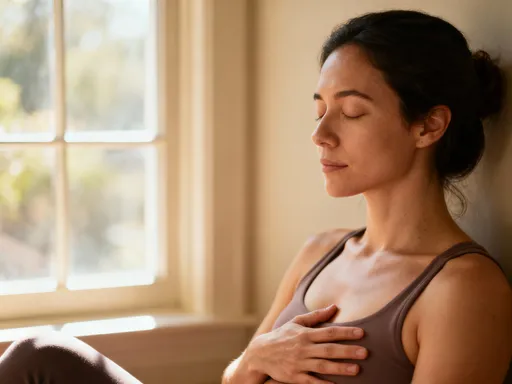
It wasn’t a doctor’s visit or a sudden illness that made me pause — it was a canceled coffee date. With myself. I had written it in my calendar: “Me time — 9 a.m., sit, breathe, journal.” And then, like clockwork, the morning unfolded: kids needed help with homework, a work email demanded attention, the dog needed walking. I told myself, “I’ll do it tomorrow.” But tomorrow never came. That little moment — failing to keep a promise to myself — hit harder than I expected. I realized I’d been treating my own well-being like an optional add-on, something to squeeze in only if everything else was perfect. And it never was.
Looking back, the signs were there. I was tired all the time, not the “I stayed up too late” kind, but the deep, heavy kind that no amount of coffee could fix. My focus was scattered. I’d start a task and lose steam halfway. My shoulders were always tight, my jaw clenched. I’d snap at small things — a dish left in the sink, a delayed text reply. I told myself it was just “how life is now,” that I was “busy, not broken.” But deep down, I knew something was off. I wasn’t just managing life — I was surviving it.
That’s when I started to wonder: what if health wasn’t just about fixing what’s broken? What if it could also be about tending to what’s still whole, before it cracks? I didn’t need an emergency room — I needed support. I needed someone to talk to who wouldn’t tell me to “just relax” or “drink more water” like it was that simple. I wanted real, practical guidance that fit into my real life. That’s how I began searching for something different — not another fitness tracker or diet app, but a space where I could talk, reflect, and grow. That’s how I found a digital health platform that didn’t just respond to symptoms, but helped me build a foundation for daily calm and joy.
Finding a Platform That Felt Like a Conversation, Not a Transaction
I’ll be honest — I’d tried health apps before. Some felt like talking to a robot. Others made me fill out endless forms, only to get a generic reply that could’ve been sent to anyone. One app told me my fatigue was “likely due to poor sleep hygiene” — no kidding — but offered zero help on how to actually fix it. I felt more frustrated than supported. I wasn’t looking for a diagnosis or a script. I wanted someone who would listen, who would see me as a whole person — not just a list of symptoms.
What changed was finding a platform where the first message wasn’t “What’s your problem?” but “How have you been feeling lately?” That small shift made all the difference. The health professional I connected with didn’t rush me. She asked gentle, thoughtful questions — not just about my sleep or diet, but about my days, my energy, my mood. She remembered that I’d mentioned trouble winding down at night. A week later, she followed up: “How did that breathing exercise work for you?” That kind of continuity — being seen and remembered — made me feel truly cared for, not just processed.
It wasn’t just the tone — it was the structure. The platform allowed me to message my health consultant anytime, and she’d respond within 24 hours. No waiting rooms, no rushed 15-minute appointments. I could type a quick note at 10 p.m. after the kids were in bed: “I’m so tense tonight. Not sure why.” And the next morning, I’d wake up to a kind, grounded reply with a simple suggestion — maybe a five-minute stretch routine or a reminder to pause and breathe before reacting to stress. It felt like having a wise friend who also happened to be a health expert. And because the conversations were ongoing, not one-off, I started to see patterns and make real progress — not because I was pushed, but because I was guided.
Turning Security Into Confidence: Why Privacy Built Trust
Here’s something I didn’t expect: the more secure I felt, the more honest I became. At first, I held back. I’d say “I’m a little stressed” when what I really meant was “I’m overwhelmed and crying in the shower.” But over time, knowing my messages were private — encrypted, protected, only visible to me and my consultant — gave me the courage to speak openly. I realized that healing starts with truth, and truth needs safety.
The platform made that safety real in simple, everyday ways. When I logged in, I saw a lock icon next to the chat — a small visual cue that my words were protected. I set up two-factor authentication, not because I’m a tech expert, but because it made me feel in control. I knew no one else could access my conversations — not my spouse, not my kids, not even the company behind the app. My journal entries, my moods, my questions about anxiety — all of it stayed private unless I chose to share it.
That privacy didn’t create distance — it created intimacy. Because I knew I was safe, I began sharing things I hadn’t even admitted to myself. I talked about how lonely I felt sometimes, even in a house full of people. I admitted that I’d stopped doing the things I used to love — painting, reading, walking in the park — because I felt guilty for “wasting time.” And instead of judgment, I got compassion. My consultant didn’t tell me to “snap out of it.” She helped me understand that self-care isn’t selfish — it’s survival. And because I felt secure, I started to believe her. That trust became the foundation for real change. I wasn’t just following advice — I was rediscovering myself, one honest conversation at a time.
From One Chat to a Daily Habit: Building Self-Care as a Hobby
I used to think self-care meant spa days or long vacations — things that felt out of reach. But what I learned through these conversations was different. Self-care isn’t about grand gestures. It’s about small, consistent acts of kindness toward yourself. And the most surprising part? It can actually become something you enjoy — like a hobby you look forward to.
It started with one tiny habit: drinking a glass of water when I woke up. My consultant didn’t tell me to “drink half your body weight in ounces” — that would’ve made me give up before I started. Instead, she said, “Just one glass. See how it feels.” And I did. Then she asked, “Did you notice anything today?” I realized I didn’t feel as sluggish by mid-morning. That small win made me curious. What else could I try?
Next came a 10-minute walk after dinner. No pressure to hit 10,000 steps. Just move, gently. At first, I dragged my feet — literally. But soon, I started looking forward to those quiet minutes outside. The air, the sky, the rhythm of my steps. I’d listen to a podcast or just let my mind wander. It became my favorite part of the day. The platform didn’t track every step — it just celebrated the effort. A simple message: “So proud of you for showing up for yourself.” That kind of encouragement made me want to keep going.
Over time, these small actions stacked up. I began stretching in the morning. I started using a gratitude journal. I set a bedtime reminder — not to be strict, but to be kind to my body. And because I could check in anytime, I never felt alone in the process. If I missed a day, I didn’t beat myself up. I’d message my consultant: “I fell off track.” And she’d reply: “That’s okay. What matters is that you noticed. What do you need today?” That compassion — not perfection — became the heart of my new routine. Self-care stopped being a chore. It became a quiet joy.
Small Insights, Big Shifts: Seeing Patterns in My Own Behavior
One of the most powerful things about using the platform wasn’t the advice — it was the awareness. Over weeks of check-ins, I started to see connections I’d never noticed before. For example, I realized that on days I skipped breakfast, I was more irritable by lunchtime. Or that when I stayed up late scrolling, my anxiety spiked the next day. These weren’t shocking revelations — but they were meaningful. And because I saw them in real time, I could do something about them.
The platform didn’t overwhelm me with charts or data. Instead, it helped me reflect. After a few weeks, my consultant shared a simple summary: “I notice you’ve mentioned low energy on three days when you slept less than six hours. What do you think is going on?” That question made me pause. It wasn’t about blame — it was about curiosity. I started paying attention. I moved my phone out of the bedroom. I tried a calming tea at night. And slowly, my sleep improved.
Another pattern emerged around stress and headaches. I’d always thought of them as separate — “I’m stressed” and “I have a headache.” But as I logged my moods and symptoms, I saw they often happened together. My consultant helped me explore gentle ways to interrupt that cycle — a short breathing exercise, a quick neck stretch, a five-minute break to step outside. These weren’t magic fixes, but they gave me tools. I felt more in control. I wasn’t at the mercy of my body — I was learning its language.
These insights didn’t come from a single “aha” moment. They grew from consistency — from showing up, day after day, and paying attention. And that’s what made the difference. I wasn’t trying to overhaul my life. I was learning to listen — to my body, my mind, my rhythm. And in that listening, I found power.
Sharing Calm, Not Just Data: Strengthening Family Connections
Here’s something beautiful I didn’t expect: as I became calmer, my family did too. It wasn’t because I gave them advice or tried to “fix” them. It was because I showed up differently. I was more present. I listened better. I reacted less. And that shift — subtle but real — changed the energy in our home.
I remember one evening, my youngest was having a meltdown over homework. In the past, I might have snapped — “Just focus!” or “Why can’t you get this together?” But this time, I took a breath. I knelt beside her and said, “You’re working so hard. Let’s take a break. Want to walk around the block?” We did. We came back, and she finished her work. No yelling. No tears — hers or mine. Later, she said, “Mom, you’re not as loud now.” I laughed — but it was true. I wasn’t suppressing my emotions. I was managing them. And that made space for connection.
I also started cooking more balanced meals — not because I was on a diet, but because I felt better when I ate well. I didn’t force anyone to eat what I made. But slowly, my kids began asking for the roasted veggies or the big salads. My partner started joining me on evening walks. We didn’t talk about “health goals” — we just enjoyed being outside together. These weren’t big changes. But they added up. Our family time felt lighter, more joyful.
The platform didn’t replace these moments — it made them possible. By helping me care for myself, it gave me more to give. I had more patience, more energy, more presence. I wasn’t just surviving the day — I was savoring it. And that made all the difference.
A Life That Feels Lighter: The Quiet Power of Consistent Care
Today, my life isn’t perfect. There are still busy days, messy kitchens, and moments of stress. But something fundamental has shifted. I feel more in tune with myself. I notice when I’m tired and actually rest. I speak up when I need help. I celebrate small wins — a good night’s sleep, a kind word, a moment of stillness. These aren’t grand achievements — but they’re mine. And they matter.
The health platform didn’t transform me overnight. It didn’t promise miracles. What it gave me was consistency — a steady, gentle presence that helped me grow. It wasn’t about fixing flaws or chasing perfection. It was about nurturing what was already there: my body’s wisdom, my mind’s resilience, my heart’s capacity for joy.
I no longer see self-care as a luxury. It’s a practice — like tending a garden. Some days you water, some days you weed, some days you just sit and enjoy the flowers. The key is showing up. And when you do, slowly, steadily, life begins to bloom in ways you didn’t expect. I have more energy. I laugh more. I feel lighter — not because my responsibilities are gone, but because I carry them differently.
Closing Thoughts: When Technology Helps You Come Home to Yourself
True wellness isn’t loud or flashy. It doesn’t come from extreme diets, intense workouts, or dramatic overhauls. It grows in the quiet moments — a deep breath, a kind message, a small choice to pause and care. What I’ve learned is that technology, when designed with empathy and security, can support that quiet growth. It can be a bridge back to yourself — not a distraction from it.
This platform didn’t replace human connection. It deepened it — by helping me reconnect with me. And from that place of inner calm, I’ve been able to show up more fully for my family, my work, my life. I’m not doing more — I’m being more. And that makes all the difference.
If you’re feeling stretched thin, if you’ve been putting yourself last, I want to tell you this: you don’t need to wait for a crisis to care. You don’t need to earn rest. You are worthy of attention, support, and gentle guidance — right now, exactly as you are. And if a simple, secure conversation can help you begin, why not try? Because sometimes, the most powerful change starts with a single message — to yourself, and to the life you want to live.