How Intermittent Fasting Helped Me Reset My Health—And Can Do the Same for You
Have you ever felt stuck in a cycle of endless diets that promise results but leave you drained and disappointed? I’ve been there. After struggling with low energy and stubborn weight, I discovered intermittent fasting—not as a quick fix, but as a sustainable way to support my body’s natural healing. What started as an experiment became a game-changer, helping me regain control, improve digestion, and feel more focused. This is my journey—and how it might help yours.
The Breaking Point: When My Body Said “Enough”
For years, I chased the latest weight-loss trends—low-fat, low-carb, juice cleanses, meal replacements—each promising a slimmer body and more energy. Yet, despite strict regimens and willpower, I felt worse. My energy dipped by mid-afternoon, my digestion was unpredictable, and the scale barely budged. I wasn’t just frustrated—I was exhausted. The constant focus on food, calories, and portion sizes had turned eating into a source of stress, not nourishment. I began to question whether I would ever feel truly healthy again.
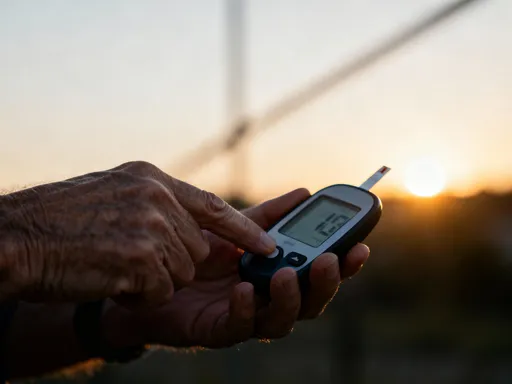
The turning point came during a routine doctor’s visit. My blood pressure was slightly elevated, and my fasting glucose levels were creeping toward the upper end of normal. My doctor didn’t sound alarmed, but her words stayed with me: “Your body is sending signals. It’s time to listen.” That moment forced me to confront the truth—my habits weren’t working. I wasn’t just battling weight; I was struggling with metabolic imbalance, poor sleep, and chronic low-grade inflammation. I needed more than another diet. I needed a reset—a way to work with my body, not against it.
It was then that I began researching lifestyle-based approaches to wellness. I read about circadian rhythm, hormonal balance, and the role of insulin in fat storage. One concept kept appearing: giving the body periods without food could support natural repair processes. That’s how I first encountered intermittent fasting—not as a celebrity fad, but as a practice rooted in biology and supported by growing scientific interest. Skeptical but hopeful, I decided to try it, not to lose weight quickly, but to restore balance.
What Is Intermittent Fasting—And Why It’s Not Just Another Trend
At its core, intermittent fasting is simply the practice of cycling between periods of eating and not eating. Unlike traditional diets that focus on what you eat, intermittent fasting focuses on when you eat. It’s not about eliminating food groups or counting every calorie, but about creating structure around meal timing. The most common methods include the 16:8 approach—fasting for 16 hours and eating within an 8-hour window—and the 5:2 method, where you eat normally five days a week and reduce calorie intake on two non-consecutive days.
One of the biggest misconceptions is that fasting means starvation. This is not true. Starvation is involuntary and harmful; fasting, when done responsibly, is intentional and can be restorative. The body is designed to function without food for extended periods. In fact, our ancestors often went hours—or even days—without eating due to food scarcity. Intermittent fasting taps into this biological resilience, allowing the body to shift from a state of constant digestion to one of repair and renewal.
The science behind fasting centers on a process called metabolic switching. When you eat, your body uses glucose from carbohydrates as its primary fuel. Insulin levels rise to help cells absorb this glucose. But during fasting periods, glucose stores are depleted, and the body begins to burn stored fat for energy, producing molecules called ketones. This shift not only supports fat loss but also triggers cellular cleanup processes. One of the most studied benefits is autophagy—the body’s way of removing damaged cells and recycling their components. Think of it as a deep internal reset, helping tissues function more efficiently.
Why Fasting Fits Into Recovery—More Than Just Weight Loss
While weight management is often the headline benefit, intermittent fasting offers much more beneath the surface. One of its most profound effects is on inflammation. Chronic, low-level inflammation is linked to numerous health concerns, from joint discomfort to fatigue and poor metabolic function. Studies suggest that fasting can reduce markers of inflammation, helping the body operate in a calmer, more balanced state. For someone like me, who had been dealing with bloating and sluggish digestion, this was a game-changer.
Another key benefit is improved insulin sensitivity. When you eat frequently, insulin is constantly released, which over time can lead to insulin resistance—a precursor to metabolic syndrome and type 2 diabetes. By giving the pancreas a break between meals, intermittent fasting helps the body respond more efficiently to insulin. This means better blood sugar control, fewer energy crashes, and reduced fat storage, especially around the abdomen. For women over 40, who may experience hormonal shifts that affect metabolism, this can be particularly valuable.
Equally important is the digestive rest that fasting provides. The digestive system works hard—breaking down food, absorbing nutrients, and eliminating waste. When it’s constantly active, it has little time to repair itself. Fasting gives the gut a pause, allowing the intestinal lining to heal and the microbiome to stabilize. Many people report improved digestion, reduced bloating, and even clearer skin after adopting a consistent fasting routine. It’s not magic—it’s the body finally having the space it needs to recover.
Additionally, fasting complements other recovery practices. When combined with quality sleep, hydration, and stress management, its benefits are amplified. For example, fasting in alignment with the body’s natural circadian rhythm—eating earlier in the day and fasting at night—supports better sleep and hormone balance. It’s not about doing one thing in isolation, but about creating a supportive environment for long-term wellness.
My First Try: Fear, Hunger, and Surprising Clarity
My first attempt at intermittent fasting was both nerve-wracking and humbling. I started with the 16:8 method, aiming to eat between 12 p.m. and 8 p.m. and fast for the remaining 16 hours. The first few days were tough. I woke up hungry, and the thought of skipping breakfast felt unnatural. By mid-morning, I had a mild headache and felt irritable. I worried I wouldn’t be able to focus at work. But I reminded myself that this was temporary—that my body was adjusting to a new rhythm.
What surprised me was how quickly things shifted. By day four, the headaches disappeared. I still didn’t eat breakfast, but instead of feeling weak, I noticed a sense of mental clarity. My thoughts felt sharper, and I wasn’t reaching for snacks every two hours. I began to realize that what I had interpreted as hunger was often just habit or thirst. Drinking water or herbal tea—especially green or peppermint—helped ease the sensation. Even my morning coffee, enjoyed black during the fast, became a comforting ritual rather than a trigger for hunger.
One of the most unexpected benefits was emotional. I started to feel more in control. Instead of being ruled by hunger cues or meal schedules, I was making intentional choices. I wasn’t denying myself food—I was simply postponing it. This subtle shift in mindset made a big difference. Fasting stopped feeling like deprivation and started feeling like empowerment. I began to see it not as a restriction, but as a form of self-discipline that honored my body’s needs.
Finding What Worked: Adapting Fasting to Real Life
As I became more comfortable with fasting, I experimented with different approaches. I tried a 14:10 schedule when I was more active or social, allowing a slightly longer eating window. On quieter days, I extended to 18:6, eating between 1 p.m. and 7 p.m. Occasionally, I did a 24-hour fast, starting after dinner one night and breaking the fast at dinner the next day. These longer fasts weren’t for weight loss—they felt more like a mental reset, a way to reset my relationship with food.
What I learned was that flexibility is key. Life isn’t static—holidays, stress, travel, and illness all affect how the body responds to fasting. There were times when I cut a fast short because I felt weak or dizzy, and that was okay. Listening to my body became more important than sticking to a rigid schedule. I also realized that fasting wasn’t a substitute for good nutrition. What I ate during my eating window mattered. I focused on whole, unprocessed foods—lean proteins, healthy fats, fiber-rich vegetables, and complex carbohydrates. This helped sustain energy and prevent overeating.
Hydration played a crucial role, too. I made it a habit to drink at least eight glasses of water a day, often starting with a warm glass of lemon water in the morning. Herbal teas became staples, especially in the late afternoon when I might otherwise crave a snack. Sleep also improved—perhaps because I wasn’t eating late at night, which can disrupt digestion and sleep quality. All these elements worked together, creating a holistic routine that supported my overall well-being.
Common Roadblocks—And How I Pushed Through Them
Like any lifestyle change, intermittent fasting came with challenges. The most common was the fear of hunger. Early on, I worried that going without food would leave me ravenous or lightheaded. But I learned that true hunger is different from the mental cues we often mistake for it. Thirst, boredom, or habit can all trigger the desire to eat. By staying busy—going for walks, drinking tea, or focusing on tasks—I found I could manage these moments without giving in.
Another hurdle was social situations. Dining out with friends or attending family gatherings can be tricky when you’re not eating at the same time as others. I found that planning ahead helped. If I knew I had dinner at 7 p.m., I could adjust my eating window to start earlier. Or, if I was fasting, I could still enjoy the experience—sipping sparkling water, engaging in conversation, and eating mindfully when it was time. People were often curious, and I welcomed the chance to share what I was learning, though I never pushed it on anyone.
Energy dips were another concern, especially during the first week. I countered this by ensuring I ate nutrient-dense meals during my eating window and didn’t skip protein or healthy fats. I also avoided intense workouts during long fasts, opting instead for gentle movement like yoga or walking. Over time, my energy stabilized. In fact, many days I felt more alert and productive than I had in years. The key was patience—understanding that the body takes time to adapt, and results build gradually.
Long-Term Gains: More Than the Scale Showing Less
After several months of consistent fasting, the changes went far beyond the number on the scale. Yes, I lost weight—about 15 pounds over six months—but that wasn’t the most meaningful outcome. What mattered more was how I felt. My energy was steady throughout the day. I no longer needed an afternoon nap. My digestion improved dramatically—bloating disappeared, and I felt lighter after meals. Even my skin looked clearer, and my mood was more stable.
But the non-scale victories were the most rewarding. I developed a deeper awareness of my body’s signals. I could tell when I was truly hungry versus when I was eating out of habit. I felt more disciplined, not just with food, but in other areas of life. Planning meals, staying hydrated, and honoring my fasting schedule required commitment, and that spilled over into better time management, reduced stress, and greater self-confidence.
Perhaps most importantly, fasting became a form of self-respect. It wasn’t about punishing myself or chasing an unrealistic ideal. It was about giving my body the space it needed to heal, to reset, to function at its best. I began to see food not as the enemy, but as fuel—and fasting as a tool to optimize how that fuel was used. It shifted my relationship with eating from one of obsession to one of intention.
Final Thoughts: A Tool, Not a Cure—And Why You Should Talk to a Doctor
Intermittent fasting was transformative for me, but I don’t believe it’s a one-size-fits-all solution. It’s a tool—one that works best when combined with other healthy habits like balanced nutrition, regular movement, quality sleep, and stress reduction. It’s not a cure for chronic conditions, nor is it suitable for everyone. Women who are pregnant or breastfeeding, individuals with a history of eating disorders, or those with certain medical conditions should approach fasting with caution and only under medical supervision.
If you’re considering trying intermittent fasting, I strongly encourage you to speak with your healthcare provider first. This is especially important if you take medications, have diabetes, or manage any ongoing health concerns. A doctor can help you determine whether fasting is appropriate and guide you in doing it safely. They may suggest starting with a shorter fasting window or monitoring your blood sugar and energy levels.
My journey with intermittent fasting wasn’t about perfection. There were days I broke my fast early or ate more than planned. But consistency, not perfection, led to progress. Over time, fasting became a natural part of my routine—a way to care for myself that felt sustainable and empowering. If you’ve felt stuck in the cycle of dieting and disappointment, I hope my story offers hope. Small, intentional changes can lead to meaningful, lasting transformation. And sometimes, the simplest shift—when you eat—can make all the difference.