From Muted to Magnificent: How Health Tech Helped Me Find My Voice
Have you ever felt like you had so much to say but couldn’t quite express it? I did—until I discovered how simple health tools quietly reshaped my confidence, clarity, and creativity. This isn’t about speaking louder, but living boldly. Let me share how tracking my energy, breathing, and mood didn’t just improve my well-being—it transformed the way I show up in the world. It wasn’t one big moment, but a series of small realizations that added up to a life change. And the best part? None of it required drastic overhauls or expensive treatments. Just a little curiosity, a few apps, and the willingness to listen—really listen—to what my body had been trying to tell me all along.
The Quiet Struggle: When You Have Thoughts But No Outlet
There was a time when I walked around with a full mind and an empty voice. Ideas swirled—thoughts about my family, my work, even dreams I’d tucked away since college—but when it came to sharing them, I froze. Not because I didn’t care, but because I didn’t have the energy. I remember sitting at a school committee meeting, listening to others speak passionately about curriculum changes, while I sat silent, hands folded, thinking, I have something to say… but I can’t find the words. It wasn’t stage fright. It wasn’t shyness. It was something deeper—a kind of emotional fatigue that made speaking feel like lifting a heavy weight.
That wasn’t the only place it showed up. At home, I’d nod along while my husband talked about his day, too drained to share my own. With friends, I’d laugh at jokes but stay surface-level, avoiding deeper conversations that required emotional presence. Even journaling—something I used to love—became a chore. I’d open the notebook, pen in hand, and stare at the blank page, frustrated. The thoughts were there, but they were buried under layers of exhaustion, stress, and low mood. I wasn’t lacking ideas. I was lacking the internal conditions to let them out.
It took me years to realize that self-expression isn’t just about courage or vocabulary. It’s deeply tied to our physical and emotional state. When we’re running on empty, when our nervous system is frazzled, or when we haven’t slept well, our brain prioritizes survival over creativity, connection, or confidence. We retreat. We protect. We stay quiet. And over time, that silence becomes a habit. I wasn’t broken. I wasn’t failing. I was simply out of sync—with my body, my energy, and myself. The turning point came when I stopped blaming myself and started wondering: What if the problem isn’t me, but my state?
A Tiny Tracker, A Big Realization: Meeting My Body Where It Was
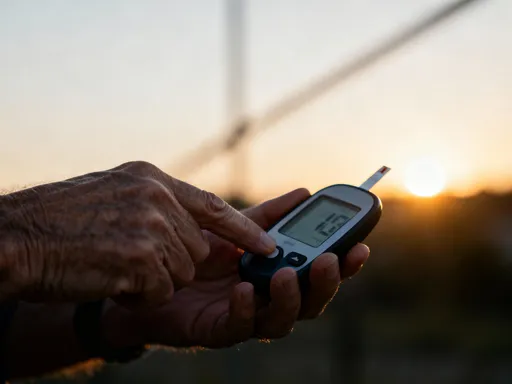
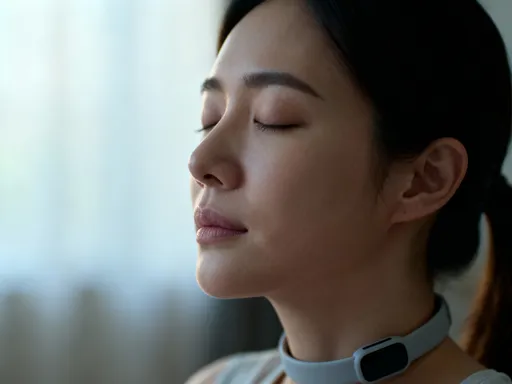
The change began with a small device—a wearable fitness tracker I got more out of curiosity than intention. I’d seen them on friends, and I thought, Why not? Maybe it’ll help me move more. I wore it every day, barely paying attention to the data. Steps, sleep, heart rate—it all felt like numbers on a screen, interesting but not life-changing. That is, until one morning when I woke up feeling foggy, unmotivated, and unusually withdrawn. I had a presentation at a parent-teacher conference that day, and the thought of speaking in front of a group made my stomach tighten. I didn’t feel like myself.
As I sipped my tea, I glanced at the app. The night before, my recovery score was low. My heart rate variability—something I’d barely understood—was flagged in red. The app noted poor sleep quality, with multiple awakenings and minimal deep sleep. I paused. This wasn’t random, I realized. My body had been signaling distress, and I’d ignored it. That foggy feeling, the lack of confidence, the desire to disappear—it wasn’t a character flaw. It was a physiological response. My nervous system was on alert, and my brain was in protection mode. No wonder I didn’t feel like speaking up.
That moment shifted everything. I began to see the tracker not as a judge of my habits, but as a mirror. It didn’t tell me I was failing. It showed me where I was. And for the first time, I had data to explain what I’d been feeling. I started paying attention to patterns. On nights when I slept well and moved regularly, I felt sharper, calmer, more present. On days when I skipped meals or stayed up late scrolling, I felt scattered and sensitive. The correlation wasn’t perfect, but it was strong enough to make me curious. What if, instead of pushing through fatigue, I learned to honor it? What if I used this tool not to fix myself, but to understand myself?
This wasn’t about perfection. It wasn’t about hitting step goals or optimizing sleep for peak performance. It was about awareness. For years, I’d treated my body like a machine I could override with willpower. But the tracker reminded me that I’m not a machine—I’m a living system, responsive to rest, rhythm, and care. And when I listened, I found that my voice wasn’t gone. It was just waiting for the right conditions to emerge.
Breathing Back Control: Calm Tools That Unlocked Clarity
Once I started seeing the connection between my body’s state and my ability to express myself, I wanted to do more than just observe. I wanted tools that could help me shift that state—gently, quickly, and without adding more to my plate. That’s when I discovered breathwork apps. At first, I was skeptical. Breathing? How could something so simple make a difference? But I’d read about how controlled breathing can calm the nervous system, and I was willing to try anything that didn’t require another hour in the day.
I downloaded a free app that offered guided breathing exercises—short, five-minute sessions with calming visuals and audio cues. The first time I tried it, I was in the car, waiting to pick up my son from soccer practice. I felt tense, my mind racing about an email I needed to send, a dinner I hadn’t planned, and a conversation I was avoiding with a friend. I pressed play on a “Calm Mind” session and followed the rhythm: four seconds in, six seconds out. At first, my breath felt forced. But by the third cycle, something shifted. My shoulders dropped. My jaw unclenched. The mental noise softened. When the session ended, I didn’t feel euphoric—but I felt clearer. More grounded. And for the first time in days, I felt like I could think straight.
I started using it before moments that used to unnerve me. Five minutes before a work call, I’d step into the laundry room and do a quick breathing session. Before dropping my kids at school and facing the morning chatter, I’d sit in the car and reset. I wasn’t trying to eliminate anxiety—I was learning to regulate it. And the more I practiced, the more I noticed a change in how I showed up. My voice didn’t shake as much. I paused instead of rushing. I listened better. I responded instead of reacting. It wasn’t that I had new things to say. It was that I finally felt safe enough to say them.
What surprised me most was how quickly it worked. Unlike meditation, which I’d tried and often felt too restless for, breathwork gave me immediate feedback. I could feel my heart rate slow. I could sense the shift in my chest. It was like a reset button for my nervous system. And because it was so accessible—no special clothes, no quiet room, no hour-long commitment—it fit into my real life. I wasn’t carving out time for self-care. I was weaving it into the moments I already had.
Mood Mapping: Turning Feelings Into Power
With my energy and breathing under better control, I wanted to go deeper. I’d noticed that some days, even with good sleep and calm breaths, I still felt emotionally flat—like I was moving through fog. I realized I needed to understand my mood patterns, not just my physical ones. That’s when I started using a digital journal that synced with my wearable. Each evening, I’d spend three minutes logging how I felt—using simple sliders for energy, mood, stress, and focus. I didn’t write essays. I just checked in.
After a few weeks, the app generated a simple chart showing trends. And there it was: on days when I spoke up, shared ideas, or felt connected, my mood and energy scores were higher. On days I stayed quiet, withdrew, or felt misunderstood, the data showed lower sleep quality, skipped meals, or high stress scores. One pattern stood out: low-expression days often followed nights when I stayed up late working or when I skipped lunch. It wasn’t drama or deep trauma. It was basic self-care.
This was powerful. Instead of beating myself up for “not trying hard enough,” I began making small, practical adjustments. If I had an important conversation scheduled, I made sure to eat a balanced breakfast and go to bed early the night before. If I noticed my stress score climbing, I’d take a 10-minute walk or do a breathing session. I started keeping protein bars in my bag so I wouldn’t skip meals during busy days. These weren’t dramatic changes. But together, they created a foundation of stability that made self-expression feel less risky.
Mood tracking didn’t eliminate hard days. But it gave me compassion. I could look at a low mood day and say, No wonder I felt off—look at the data. It helped me respond with care instead of criticism. And over time, I became less reactive to my emotions. I didn’t need to suppress them or let them take over. I could acknowledge them, adjust, and move forward. My voice became less dependent on how I felt in the moment and more rooted in a consistent sense of self.
From Solo Practice to Real-Life Shifts: Speaking Up Without Fear
All these small changes began to show up in real life. The first time I noticed it was in a team meeting at the community center where I volunteered. We were discussing a new outreach program, and someone suggested a direction I didn’t agree with. In the past, I would’ve stayed quiet, nodding along. But that day, I took a breath, felt the steadiness in my chest, and said, I see it differently. Here’s what I’ve noticed in our neighborhood… My voice was calm. My points were clear. And to my surprise, the group listened. Not because I was louder, but because I was grounded.
That moment sparked more. I started sharing honest thoughts with friends instead of just agreeing. I spoke up when plans didn’t work for my family. I even joined a local storytelling group—something I’d never imagined doing. Standing on a small stage, sharing a personal story, I wasn’t fearless. But I was prepared. My body wasn’t in survival mode. My mind wasn’t foggy. I had done the quiet work behind the scenes—tracking, breathing, adjusting—and it showed.
What I realized is that technology didn’t give me a voice. I already had one. It simply removed the barriers that had been muffling it. It helped me show up as myself—calm, clear, and confident—instead of as someone drained, reactive, or invisible. The tools didn’t change who I was. They helped me return to who I’d always been, beneath the fatigue and stress.
Sharing the Tools: Helping My Teen Do the Same
One of the most meaningful parts of this journey has been sharing it with my daughter. She’s 16, bright and thoughtful, but like many teens, she sometimes struggles to put her feelings into words. There were moments when she’d shut down after school, retreating to her room without saying what was wrong. I didn’t want to push, but I wanted to help.
So one evening, I showed her the breathing app I used. I said, This helps me when I feel overwhelmed. Want to try it together? She rolled her eyes—of course she did—but she humored me. We did a five-minute session side by side on the couch. Afterward, she said, Huh. I feel… lighter. That was the start.
We explored the mood tracker together, customizing it with emojis and quick prompts. She started using the breathing tool before presentations and tests. She noticed that when she slept well, she handled stress better. And slowly, she began to talk more—not because I forced her, but because she felt more in control. One day, she said, I used the app before talking to Mom about switching classes. I wasn’t as nervous. My heart swelled. This wasn’t just about grades or school. It was about emotional agency. She was learning to understand herself, to regulate her state, and to speak up when it mattered.
It’s brought us closer, too. We talk about energy, sleep, and stress not as problems, but as normal parts of life we can manage together. We’re not perfect—we still have busy days, late nights, and moments of frustration. But now we have tools, not just for surviving, but for thriving. And that, to me, is one of the greatest gifts I can give her: the knowledge that her voice matters, and that she has the power to clear the path for it.
Living Loudly, Naturally: Tech as a Whisper, Not a Shout
Looking back, I see that this journey wasn’t about becoming someone new. It was about returning to myself. The tools didn’t transform me—they revealed me. They helped me see that my silence wasn’t a flaw, but a signal. My fatigue wasn’t laziness, but a call for care. And my voice? It was always there, waiting for the right conditions to be heard.
Today, expressing myself feels natural. Not forced. Not performative. Just true. I speak up not to prove anything, but because I want to. I share not to impress, but to connect. And when I don’t feel like speaking, I listen—not out of fear, but by choice. I’ve moved from surviving to thriving, from holding back to showing up.
What I’ve learned is that self-expression isn’t just about words. It’s about presence. It’s about feeling safe in your body, clear in your mind, and grounded in your truth. And sometimes, the simplest tools—like a tracker, a breath, or a daily check-in—can create the space for that to happen.
If you’ve ever felt muted, I want you to know: it’s not your fault. And it’s not permanent. You don’t need to overhaul your life or wait for a miracle. You just need to start listening. Try a breathing app. Track your sleep. Notice how you feel after a good meal or a short walk. Small steps lead to big shifts. And when you honor your body, your voice will follow. Not louder—but more fully. More authentically. More beautifully. Because you were never meant to be quiet. You were meant to be heard.