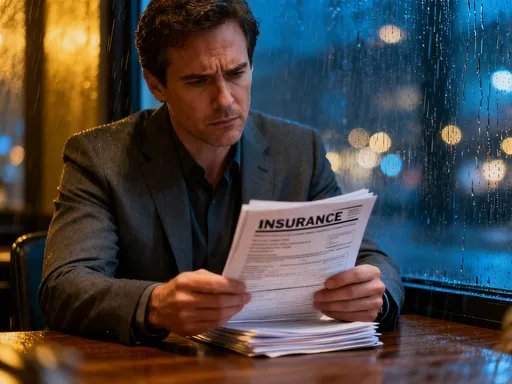
How I Navigate Contract Disputes—My Investment Philosophy in Action
Dealing with contract disputes once derailed my investment plans—until I built a system. It wasn’t just about legal fixes; it reshaped how I think about risk, value, and long-term gains. I learned the hard way that protecting your capital isn’t only about markets, but about the agreements behind them. A single ambiguous clause or missing timeline can quietly erode returns, damage relationships, and trigger costly delays. Here’s how I turned setbacks into a smarter investment philosophy, one contract at a time. What began as a painful lesson evolved into a disciplined approach that now safeguards every deal I enter. This is not just about avoiding lawsuits—it’s about building confidence, clarity, and control in every financial decision.
The Wake-Up Call: When a Broken Deal Shook My Portfolio
Several years ago, I invested in a small commercial real estate project with a partner I had worked with briefly before. The opportunity seemed solid: a renovated downtown building with pre-leased retail space and strong projected rental income. We shook hands on the terms, exchanged emails summarizing key points, and moved forward quickly—too quickly. There was no formal operating agreement, no clear definition of responsibilities, and no timeline for construction completion. I assumed trust and past experience would be enough. I was wrong.
Within six months, delays began to pile up. The renovation timeline slipped by more than four months. Contractors were paid late, permits stalled, and the promised leasing agent never showed up. My cash flow projections, based on conservative assumptions, began to unravel. I requested regular updates, but responses were vague or ignored. When I pushed for documentation, my partner claimed everything was under control. It wasn’t. By the time I obtained full access to project records, we were over budget by nearly 25%, and two of the three anchor tenants had withdrawn due to the delays. The financial loss was significant, but the emotional toll was heavier. I felt frustrated, misled, and embarrassed for not protecting myself better.
This experience was a wake-up call. I had treated the contract as a formality—a box to check—rather than a core part of the investment strategy. I realized I had focused too much on the asset’s potential and too little on the human and legal mechanics behind it. The real risk wasn’t the property market; it was the lack of structure in our agreement. That moment changed my approach. I began studying how legal frameworks interact with financial outcomes. I consulted experienced advisors, reviewed case studies of similar disputes, and started building a repeatable process to prevent such oversights in the future. What felt like a personal failure became the foundation of a stronger, more resilient investment philosophy.
Why Contracts Are Part of Your Investment Framework
Many investors view contracts as legal paperwork—an unavoidable step after the exciting part is over. But this mindset underestimates their true value. A well-structured agreement is not just protection; it is a strategic tool that shapes outcomes. It defines expectations, allocates risk, and creates accountability. When crafted with care, a contract aligns incentives and reduces ambiguity, making it easier to achieve mutual success. When neglected, it becomes a source of conflict, delay, and financial leakage. The difference between a profitable deal and a draining dispute often comes down to the quality of the written agreement.
Consider a joint venture where profit-sharing terms are loosely defined. One partner assumes profits will be distributed quarterly; the other believes reinvestment takes priority. Without a clear clause outlining distribution timing and conditions, tension builds. Cash flow stagnates. Trust erodes. Over time, even a fundamentally sound business can collapse under the weight of unresolved disagreements. Similarly, vague language around responsibilities—such as who handles insurance, maintenance, or regulatory compliance—can lead to neglected duties and unexpected costs. These aren’t hypothetical risks. They are common, preventable issues that quietly reduce net returns.
Every contract should reflect your long-term financial goals. If you’re investing for steady income, the agreement must prioritize predictable cash flow and timely reporting. If your goal is capital appreciation, the contract should include provisions for value-enhancing improvements and exit strategies. Alignment between the legal framework and your investment objectives ensures that the deal serves your purpose—not the other way around. Ignoring the small print means surrendering control. It means accepting uncertainty where clarity is possible. In today’s complex financial landscape, where partnerships cross industries and geographies, treating contracts as mere formalities is no longer sustainable. They are, in fact, foundational elements of sound investing.
Building a System: My Step-by-Step Approach to Risk-Proof Agreements
After my early misstep, I knew I needed a system—not just better intentions. I developed a structured approach to evaluating and finalizing agreements, one that I now apply to every investment, regardless of size. The goal is not to eliminate all risk—no system can do that—but to make risks visible, manageable, and agreed upon in advance. This process has become as routine as checking credit scores or reviewing financial statements. It starts long before signatures are exchanged.
The first step is defining non-negotiable terms. Before any negotiation begins, I outline what must be included: clear timelines, defined roles, reporting requirements, and performance benchmarks. For example, in a rental property partnership, I specify when financial statements will be delivered each quarter, who is responsible for repairs above a certain cost, and how disputes will be resolved. These aren’t demands; they’re safeguards. They set the tone for transparency and accountability from the start. I’ve found that presenting these terms early—framed as standard practice—encourages cooperation rather than resistance.
The second step is involving a third-party reviewer early in the process. I work with a trusted legal advisor who specializes in business and investment law. Their role isn’t to create conflict but to spot blind spots. A clause that seems fair on the surface may have unintended consequences under specific conditions. An experienced eye can identify those risks. I’ve learned that spending a few hundred dollars on a review can save tens of thousands later. Even in informal deals among acquaintances, I insist on this step. It’s not about distrust—it’s about diligence.
The third step is building in exit clauses and dispute resolution mechanisms. Every agreement includes a clear path for disengagement if things go wrong. This might involve mediation, arbitration, or a buyout formula based on appraised value. Knowing there’s a fair, pre-agreed way to part ways reduces emotional pressure during conflicts. I’ve used these clauses in real estate joint ventures and small business collaborations. In one case, a partner wanted to exit unexpectedly. Because our contract included a valuation method and payment schedule, we avoided a messy breakup and preserved the business’s stability. This system doesn’t guarantee perfect outcomes, but it ensures fairness, predictability, and control.
The Philosophy Shift: From Reactive to Proactive Investing
My approach to investing has fundamentally changed. I used to chase high-return opportunities, believing that the right asset would overcome any obstacle. Now, I focus on preserving value and minimizing avoidable losses. This shift didn’t come from pessimism—it came from experience. I’ve seen how quickly gains can vanish when agreements fail. I’ve learned that patience and preparation are more valuable than speed and optimism. Today, I measure success not just by returns, but by peace of mind and operational smoothness.
One of the most important lessons was emotional discipline. When a deal starts to go off track, the instinct is often to react—confront the other party, demand immediate fixes, or withdraw entirely. But strong emotions rarely lead to strong decisions. I’ve trained myself to pause, review the contract, gather facts, and assess options calmly. This doesn’t mean being passive. It means acting from a position of strength, not frustration. In one situation, a service provider missed three deadlines. Instead of sending an angry email, I referred to our agreement, documented the delays, and initiated the penalty clause. The issue was resolved in two weeks, and the relationship remained intact.
Prevention, I’ve learned, is far more effective than litigation. Taking a dispute to court is expensive, time-consuming, and unpredictable. Even if you win, the cost in energy and relationships can outweigh the financial recovery. A better strategy is to design agreements that make disputes less likely and easier to resolve when they occur. This proactive mindset reduces stress and increases confidence. I no longer fear disagreements because I know I have tools to manage them. Investing has become less about luck and more about process. And that process starts with a well-crafted contract.
Tools That Help: Practical Resources Without the Jargon
You don’t need to be a lawyer to create strong agreements, but you do need the right tools. Over time, I’ve collected a set of practical resources that make the process easier and more efficient. These aren’t complex or expensive—they’re accessible, user-friendly, and effective. The goal is to reduce friction, not add bureaucracy.
One of the most helpful tools is a library of standardized templates. I use vetted, plain-language contracts for common scenarios: property co-ownership, service agreements, loan terms, and joint ventures. These templates cover essential clauses and are customizable. I download them from reputable legal resource sites and adapt them with my advisor’s input. Having a starting point saves time and ensures nothing critical is overlooked. I’ve found that even experienced professionals benefit from templates—they reduce the risk of omitting standard protections.
Digital tracking systems have also made a big difference. I use a cloud-based document management platform to store all agreements, revisions, and communications. Every version is timestamped, and access is controlled. This creates a clear audit trail. If a dispute arises, I can instantly produce the exact version of the contract both parties signed. I also track key dates—payment deadlines, reporting due dates, renewal options—with calendar alerts. This simple step prevents missed obligations and keeps everyone accountable.
Legal tech platforms have lowered the cost of professional input. Instead of paying hourly rates for every small question, I use subscription-based services that offer on-demand legal reviews and contract analysis. These platforms connect me with qualified attorneys who specialize in business law. I’ve used them to clarify ambiguous clauses, assess risk in proposed changes, and draft addendums. The cost is a fraction of traditional legal fees, and the turnaround is fast. These tools don’t replace judgment—they support it. They allow me to act confidently, knowing I’ve done my due diligence without overspending.
When Disputes Happen Anyway—How to Respond Without Losing Ground
No system is perfect. Even with strong contracts and careful planning, disputes can still arise. The key is how you respond. My goal is not to win at all costs, but to protect my interests while keeping options open. This requires a balance of firmness and flexibility.
The first action is always to stay calm. Emotions can cloud judgment and escalate tension. I take time to review the contract, gather all relevant documents, and assess the facts objectively. I ask: What does the agreement say? What evidence do I have? What are my realistic options? This grounding step prevents rash decisions. In one case, a partner claimed I had violated a non-compete clause. Instead of reacting defensively, I reviewed the agreement, confirmed the clause’s scope, and found it didn’t apply to my current activity. I shared the excerpt calmly, and the issue dissolved.
Gathering evidence is critical. I keep a file for every deal, containing the signed contract, all amendments, emails, invoices, and meeting notes. This documentation serves as proof of performance, timelines, and communications. When a vendor failed to deliver a promised software update, I had a clear record of deadlines, messages, and acknowledgments. This evidence gave me leverage in negotiations and supported a partial refund without legal action.
I also prioritize mediation over litigation whenever possible. Courts are slow and costly. Mediation, by contrast, is confidential, faster, and designed to find mutually acceptable solutions. I’ve used professional mediators to resolve payment delays, partnership disagreements, and performance disputes. In each case, we reached an agreement that preserved the business relationship and avoided public conflict. Protecting cash flow during negotiations is another priority. I ensure that ongoing operations aren’t disrupted by freezing funds or halting work. Instead, I negotiate interim arrangements—partial payments, phased deliverables, or third-party oversight—to maintain momentum while resolving the core issue.
Investing Smarter: Lessons That Go Beyond Contracts
The lessons I’ve learned from contract disputes extend far beyond legal documents. They’ve reshaped my entire investment philosophy. Attention to detail, clear communication, and structured thinking are now central to every financial decision I make. I apply the same discipline to portfolio diversification, budget planning, and partnership evaluations. The mindset of proactive risk management has become a guiding principle.
Just as a strong contract prevents misunderstandings, a diversified portfolio protects against market volatility. Both are forms of risk mitigation. Just as I define roles in an agreement, I clarify responsibilities in family financial planning—ensuring everyone understands their part. And just as I build exit strategies into contracts, I plan for liquidity and flexibility in my investments. These parallels show that systematic thinking is not limited to one area—it enhances all aspects of financial life.
Ultimately, this journey has given me something more valuable than returns: control and peace of mind. I no longer feel at the mercy of circumstances or other people’s decisions. I know that I’ve done what I can to prepare, to protect, and to plan. That confidence allows me to take thoughtful risks, not reckless ones. It lets me sleep better at night, knowing that my investments are built on solid ground—not just hope.
Every agreement you sign is more than a piece of paper. It is a reflection of your values, your expectations, and your commitment to long-term success. Treat it with the care it deserves. Build systems, not just deals. Focus on clarity, not just convenience. Because in the end, true wealth isn’t just about how much you earn—it’s about how well you protect it. And that protection begins with a single, well-written contract.